The territory of Chiusi: between borders and landscapes.
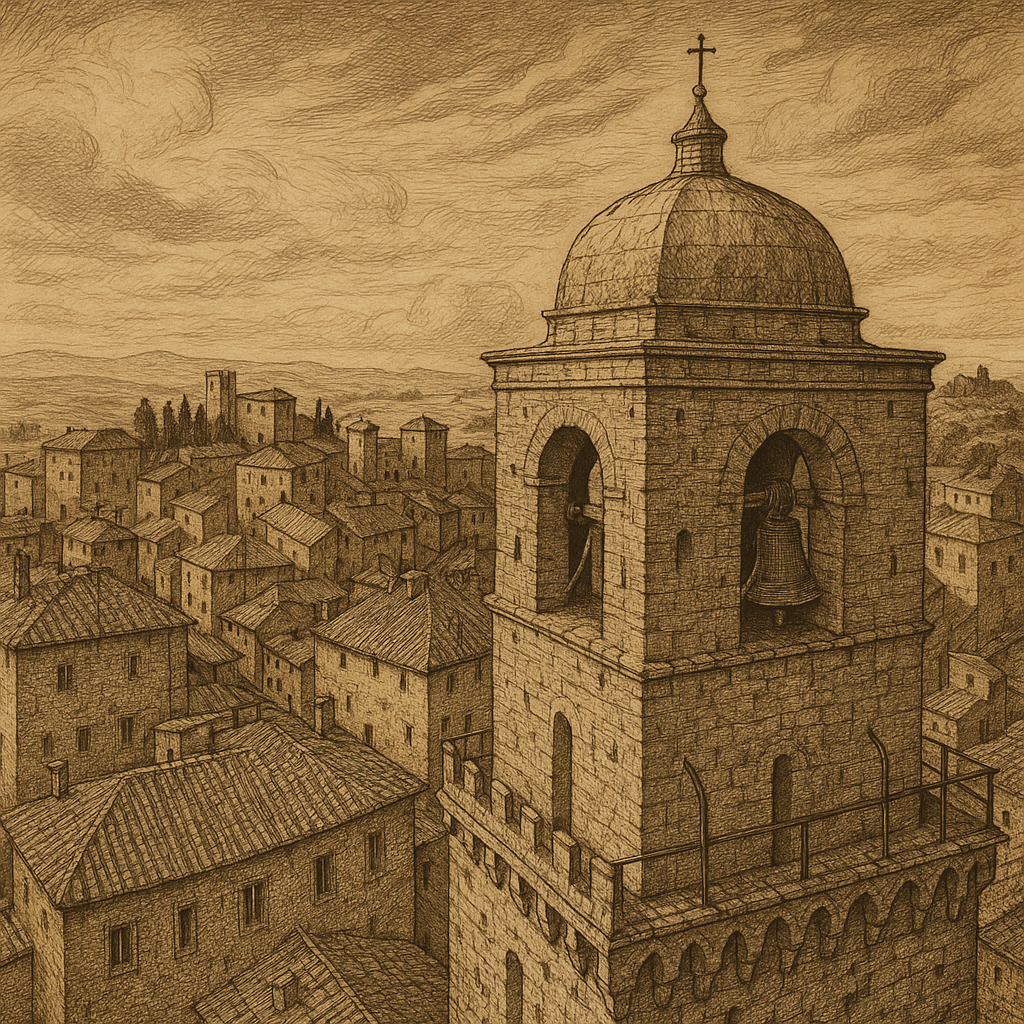
Chiusi is located in the southern part of Tuscany, at the border between the province of Siena and the province of Perugia, and is situated in a position that makes it a crossing point between various historical and natural regions. Its territory is characterized by landscapes ranging from the gentle hills of the Val di Chiana to the more rugged lands of the Val di Nestore, with a rich variety of flora and fauna that has made this area ideal for human settlements since ancient times.
Geography and Boundaries
The municipality of Chiusi is bordered to the west by the Val di Chiana, a vast fertile plain that stretches between the provinces of Siena and Arezzo, known for its agriculture. The Val di Chiana is a region that in the past was also the scene of important historical events, such as the famous Battle of Chiusi, which saw the involvement of the Etruscan populations.
A est, Chiusi confina con la Val di Nestore, una valle più piccola, ma altrettanto significativa dal punto di vista storico e naturale. La Val di Nestore è attraversata dall'omonimo fiume, che ha sempre costituito una risorsa fondamentale per l'agricoltura e il commercio nella regione. Il fiume è stato un elemento cruciale nella storia, così come lo è stato il paesaggio che l'ha accompagnato, ricco di colline e boschi che ancora oggi conferiscono alla zona un aspetto rurale e autentico.
Landscapes and Nature
The territory of Chiusi is a fascinating mix of hills, plains, forests, and waterways. The surrounding countryside is dominated by vineyards, olive groves, and cultivated fields, with a panoramic view of the hills that surround the city. This landscape, which has inspired many painters and writers over the centuries, also offers rich biodiversity, with numerous animal and plant species typical of Tuscany.
The Chiusi Lake Nature Reserve is one of the most picturesque spots in the area. This lake, once important for salt extraction, is now a protected area that hosts numerous migratory birds and other aquatic species. It is an ideal place for birdwatching enthusiasts and those seeking tranquility in close contact with nature.
Historical Borders and Cultural Influences
The territory of Chiusi has been a crossroads of various cultural influences over the centuries. The Etruscans, who were the first to settle in the area, left a profound mark on the landscape, building temples, necropolises, and infrastructures that can still be visited today. The Etruscan ruins, such as those of the Poggio Gaiella Necropolis, testify to the importance of Chiusi as a center of power in ancient Etruria.
With the Roman expansion, Chiusi became an important city in the Empire, and its territory was integrated into the vast network of Roman communications, with roads and bridges connecting the city to other major centers in the region, such as Cortona and Perugia. The subsequent Christianization and medieval evolution further shaped the landscape, with the construction of churches, monasteries, and castles that still enrich the region today.
Hamlets of Chiusi and Population
- Chiusi Scalo: 4.061
- Montallese: 529
- Macciano: 13
- Querce al Pino: 105
- Giovancorso: 125
- Fonteregina: Data not available
- Pignattaia: 55
- Poggio Olivo: Data not available
- Quattro Poderi: Data not available
- Toppo Basso: 62
- Montevenere: 125
- Podere Caselle: Data not available
- San Gregorio: 13
- Asso di Picche: Data not available